Investing Insights
.png)
Mayank Bhatnagar
Co-Founder & Chief Operating Officer

Mayank is a co-founder at FinEdge and his experience of more than 20 years in the banking and financial services industry has been instrumental towards building the FinEdge platform.
He has held key positions across the Retail and Wholesale Banking verticals at Standard Chartered Bank, driving growth in segments managed by him.
Mayank is a post graduate in Marketing and Finance and has completed his Bachelor’s degree from Delhi University.
He has a keen interest in technology and likes to keep himself updated with the latest in the tech world.

Financial Planning: Basic Things to Get in Place Before You Start Your Financial Planning Journey
Comprehensive financial planning is the gateway to achieving your financial goals and achieving financial freedom. However, before starting the financial planning process, you must get certain basic things in place. In this article, we will understand these basic things to get in place before you embark on your financial planning journey.

Fund Houses Are Launching NFOs: Are They Different From IPOs? Should Investors Invest in NFOs?
When stock markets are near or at all-time highs, along with IPOs from companies, you see a rush of NFOs from mutual fund houses. In May 2024, the HDFC Manufacturing Fund NFO raised a huge Rs. 9,563 crores.

10 Investing Mistakes That You Should Avoid
Financial planning is a lifelong journey that starts from the moment you start earning. In this long journey, investors may make some mistakes. However, we should all learn from our investing mistakes to ensure our financial planning journey proceeds smoothly. In this article, we will discuss 10 investing mistakes that you should avoid.

8 Wealth Creation Lessons to Accelerate Your Financial Planning Journey
Everybody desires to create wealth to fulfill their financial goals. The financial planning journey to fulfilling goals is a long-term journey spanning years or decades. During this long journey, wealth creation lessons can act as a guiding force and accelerate the journey.

5 Behavioural Biases That Influence Our Investment Decisions
Human behaviour takes shape over a period of time based on various factors. Some of these include what we see, read, watch, and learn from people in our lives, television, social media, etc.

Best Ways for NRIs to Invest in Indian Equities
India is an oasis of growth in a desert. India has a huge NRI population, with millions of them living in various developed and developing countries across the world. While these NRIs stay and earn income in various countries, they face the challenge of limited investment opportunities in most developed countries.

Successful Investing – 5 Incredible Learnings From the Past 20 Years
The year was 2001 and Atul, an avid investor, was all geared up to secure his retirement. He was 40 years old then and his retirement was 22 years away. He started investing Rs. 25,000/- every month systematically in an equity mutual fund… Before I reveal the outcome of Atul’s investing journey, let us dive into some valuable investing lessons of the past 20 years.

4 Tips to Achieve Your Financial Goals Through SIP’s
The ubiquitous “Mutual Funds Sahi Hai” campaign has fuelled an increased interest in Mutual Fund SIP’s (Systematic Investment Plans) over the past few years. The industry’s monthly SIP inflows stood at Rs. 15,814 crores as on August 23 as Mutual Fund assets grew significantly over the past five years. If you’re one of the thousands of investors who are using SIP’s to achieve their financial goals, here are four things to keep in mind.
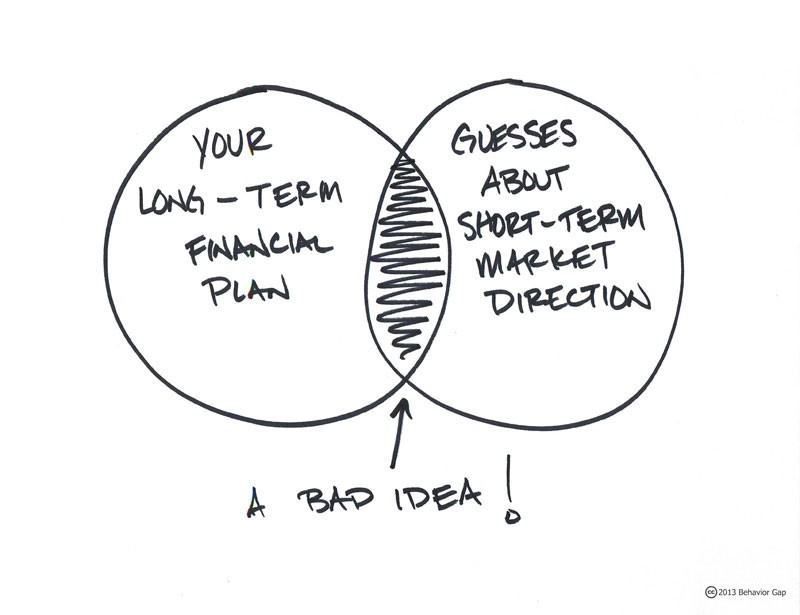
5 Behavioural Traps That Could Hurt Your Mutual Fund Investments
Learn 5 key biases impacting long-term mutual fund returns to boost your investment success.
What Changes In Your Investment Strategy After Retirement (And Why It Matters)
Retirement changes the role your money plays in your life. It is no longer just about growing wealth, but about using it in a structured and sustainable way. Understanding this shift is essential to making your savings last over decades.
.png)
Investing Lessons in Your 20s that Make Life Easier in Your 40s and 50s
The financial habits you build in your 20s often matter more than the amount you invest. Given enough time, even small, consistent decisions can grow into meaningful outcomes. What you do early quietly shapes how easy or stressful your future feels.

Why Financial Planning Is Important for Long-Term Wealth Creation
Wealth is not built by income alone, it is built by structure. Financial planning is what turns earnings into long-term outcomes.
Latest Posts
Jun 16, 2026
Why Long-Term SIP Investing Works Better When It Is Linked to Real Goals
Jun 11, 2026
5 Investing Traps That Can Quietly Derail Long-Term Wealth Creation
Jun 09, 2026
How Much Should Your SIP Be to Build a ₹10 Crore Retirement Corpus?
Jun 08, 2026
Financial Planning Gaps Families Often Discover Too Late
Jun 05, 2026
The Importance of your Child’s Education Goal
Feb 28, 2024

Why Retirement Planning is Important
Nov 08, 2023

Oct 31, 2023

.jpg "The Right Goal Calculation - Inflation and its effect")
Investing Behaviour and the investing roller coaster
Oct 12, 2023