Investing Insights
.png)
Mayank Bhatnagar
Co-Founder & Chief Operating Officer

Mayank is a co-founder at FinEdge and his experience of more than 20 years in the banking and financial services industry has been instrumental towards building the FinEdge platform.
He has held key positions across the Retail and Wholesale Banking verticals at Standard Chartered Bank, driving growth in segments managed by him.
Mayank is a post graduate in Marketing and Finance and has completed his Bachelor’s degree from Delhi University.
He has a keen interest in technology and likes to keep himself updated with the latest in the tech world.

Gifting Mutual Funds: How It Works and What You Should Know
Mutual funds are typically seen as tools for long-term investing, but they can also be transferred as meaningful financial gifts. Understanding how this works helps you make more informed and thoughtful decisions.
How to Decide Your SIP Amount Based on Income, Expenses, and Financial Goals
Many investors wonder how much they should invest through SIPs. The answer is not a fixed number, but a result of your financial structure. Understanding your income, expenses, and goals helps you decide an amount you can sustain.
.png)
Types of Index Funds; What Each Type Means for Your Investments
Index funds may seem simple, but the variety within them can make investing decisions less straightforward. Understanding how different types of index funds work helps bring clarity to what you actually need and what you don’t. In many cases, the right approach is not about choosing more, but choosing with purpose.
PMS vs Mutual Funds: Which Is Better for Long-Term Wealth Creation?
Sophisticated doesn’t always mean superior. When it comes to building long-term wealth, simplicity, discipline, and transparency often outperform complexity and exclusivity.
How to Select the Best Financial Advisor: A Professional Step-by-Step Guide
Selecting the right financial advisor goes beyond credentials or returns, it’s about finding a partner who understands your goals, values transparency, and guides you with objectivity and discipline.

Investing Your Retirement Corpus Wisely: What to Do and What to Avoid
Retirement planning isn’t about picking the perfect product. It’s about building a structured roadmap that reflects your lifestyle, income needs, and long-term priorities. Yet, many investors delay it or make decisions without enough clarity. These mistakes may not show immediate consequences, but they often lead to shortfalls, stress, and financial insecurity in later years.

How to Start SIP Investment: A Beginner-Friendly Guide for Long-Term Growth
If you're wondering how to start SIP investment, you're not alone. SIPs, or Systematic Investment Plans, have become one of the most popular tools for long-term wealth creation in India. They’re simple, disciplined, and powerful - especially for those earning monthly incomes and looking to grow their savings through mutual funds. This guide explains how SIPs work, how to get started (both online and offline), and why they are trusted by millions of investors for goal-based financial planning.
.jpg)
Home Purchase Planning: Home Loan Checklist
Buying a home is both an emotional and financial milestone. Without a plan, it can quickly become a burden. A structured home purchase strategy lets you balance affordability with smart investing and debt management, helping you own your dream home without compromising your future goals.
.jpg)
The Impact of Inflation on Your Financial Future & Investment Strategy
Inflation may seem like a background number in the news, but its impact on your financial future is anything but minor. From education to retirement, rising costs can silently derail your most important goals, unless your investment strategy is built to outpace it.

Financial Planning for Single Women: Strategies for Long-Term Security
In today's world, not everyone prefers to get married and start a family. Some individuals, men as well as women, choose to stay single. They like to have a fulfilling career, focus on their passion like travel and go solo about it. In this article, we will understand how single women can do their financial planning and create long-term security for themselves.
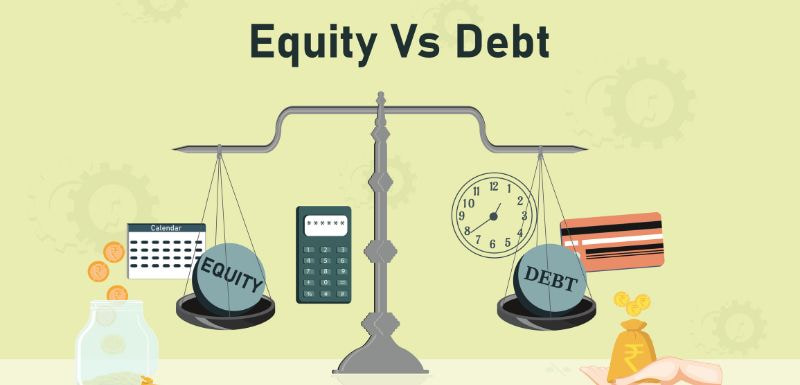
Understanding Debt and Equity Funds: Key Differences and Benefits
Investors can choose from different types of mutual funds depending on factors like investment time horizon, return expectation, lock-in period, taxation, risk involved, etc. You can look at equity funds for growth and debt funds for stability. In this article, we will understand what are equity funds and debt funds, the difference between equity and debt mutual funds, and things to consider before choosing these funds.
ETFs Versus Index Funds: What Are the Differences, and Which One Should You Choose?
In the last few years, there has been a rise in passive investing due to factors like diversification, low costs, wide availability and choice of passive funds, ease of investing, etc. When it comes to passive investing, there are two ways of doing it. Exchange traded funds (ETFs) and index funds. In this article, we will understand what are ETFs and index funds, the differences, and which one you should choose.
Latest Posts
Jun 16, 2026
Why Long-Term SIP Investing Works Better When It Is Linked to Real Goals
Jun 11, 2026
5 Investing Traps That Can Quietly Derail Long-Term Wealth Creation
Jun 09, 2026
How Much Should Your SIP Be to Build a ₹10 Crore Retirement Corpus?
Jun 08, 2026
Financial Planning Gaps Families Often Discover Too Late
Jun 05, 2026
The Importance of your Child’s Education Goal
Feb 28, 2024

Why Retirement Planning is Important
Nov 08, 2023

Oct 31, 2023

.jpg "The Right Goal Calculation - Inflation and its effect")
Investing Behaviour and the investing roller coaster
Oct 12, 2023