Investing Insights
_(47).jpg)
What is the Ideal Asset Allocation by Age?
Your investment needs change as you grow; here’s how to align your portfolio with your age, risk profile, and life goals.
_(29).jpg)
Step-Up SIP vs. Regular SIP: Which One Builds More Wealth?
Explore how Step-Up SIPs, small annual increases, can make a big difference when you're saving for major life goals.
_(45).jpg)
Direct vs Regular Mutual Funds: What Investors Often Get Wrong
Are regular mutual funds really more expensive? Or is there more to the story?
FOMO, Panic, Overconfidence: Understanding Your Investing Triggers
Your investment behavior often matters more than the markets. Whether it's fear in a downturn, overconfidence after a win, or FOMO triggered by someone else's success; emotional investing leads to decisions that aren’t aligned with your goals. In this blog, we explore these triggers and how to build a more grounded, goal-oriented approach.
.jpg)
What Is Diversification in Investing and Why Does It Matter?
Investing is not just about choosing the best-performing asset, it's about managing risk while aiming for growth. This is where diversification in investing comes into play. By spreading your investments smartly, you protect your portfolio from the ups and downs of any single asset or sector. But like most things in finance, diversification works best when done with intention, not excess.

How to Choose an Investment Advisor You Can Actually Trust
In a world flooded with investment advice, from social media influencers to algorithm-based apps, it’s tough to know whom to trust. Many so-called advisors are driven by commissions or targets, not your financial well-being. So how do you choose an investment advisor you can actually trust? Let’s break it down.
.jpg)
Bionic Investing in India: The Future of Personalized Wealth Creation
Investing in India is evolving, but not in the way you might think. While digital platforms and robo-advisors offer convenience, they often fall short in understanding investor behavior and goals. That’s where bionic investing in India steps in - a powerful model where human insight and technology come together to deliver long-term, personalized wealth creation.
_(800_x_575_px)_(1).jpg)
Why Most Investors Underperform Their Investments (Returns Gap Explained)
Many investors fail to achieve the full potential of their investments, not because they chose the wrong funds, but because of how they behave during market ups and downs. This difference in expected vs. actual returns is called the returns gap, and understanding it is crucial for long-term success.
Investing in Volatile Markets: How to Build Resilience and Stay on Track
Investing in volatile markets is never easy, especially when headlines scream panic and portfolios turn red. But market cycles are not the problem. The real challenge lies in how investors react. Building investing resilience, the ability to stay aligned with your goals and decisions through ups and downs, is essential for lasting success. In India, as retail participation grows, so does the need for calm, process-led investing.
Tech-Enabled Investing in India: How FinEdge’s Dreams into Action Platform Stands Apart
While technology has made it easier than ever to start investing, long-term wealth creation still eludes many. That's because tech-enabled investing in India often stops at convenience, not guidance. The FinEdge Dreams into Action platform is designed to fix that gap by combining technology with expert-led, personalized, and goal-focused investing support.
_(800_x_575_px).jpg)
Mis-Selling in Indian Financial Services: What Investors Must Know
Despite growing digital access and awareness, investment mis-selling in India remains a significant challenge. It often takes the form of high-cost or unsuitable products sold under pressure or misinformation. Investors typically realize the mismatch years later, often after financial damage is done. Understanding mis-selling and its triggers is the first step toward safeguarding your financial journey.
.jpg)
Why Past Performance Shouldn’t Guide Your Investments in 2025
One of the most persistent investment myths in India is that past performance equals future success. It’s tempting to Google “top performing mutual funds” and assume that the highest return-generating scheme is the right choice. But this mindset can backfire. In fact, relying on past performance investing as your main strategy is one of the biggest mutual fund selection mistakes you can make, especially in 2025’s dynamic and unpredictable markets. Let’s explore why this approach is flawed, and how a more purposeful method can safeguard your financial future.
Latest Posts
Jun 16, 2026
Why Long-Term SIP Investing Works Better When It Is Linked to Real Goals
Jun 11, 2026
5 Investing Traps That Can Quietly Derail Long-Term Wealth Creation
Jun 09, 2026
How Much Should Your SIP Be to Build a ₹10 Crore Retirement Corpus?
Jun 08, 2026
Financial Planning Gaps Families Often Discover Too Late
Jun 05, 2026
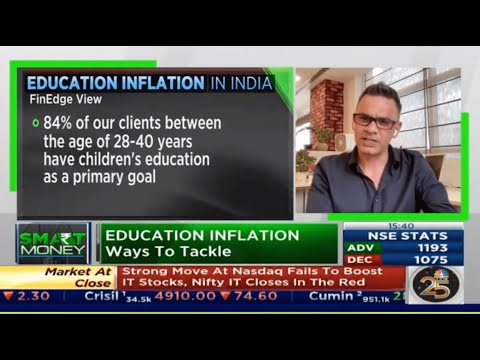
The Importance of your Child’s Education Goal
Feb 28, 2024
Why Retirement Planning is Important
Nov 08, 2023

Oct 31, 2023

.jpg "The Right Goal Calculation - Inflation and its effect")
Investing Behaviour and the investing roller coaster
Oct 12, 2023

Investing Stories
.jpg "Discover how FinEdge achieved ₹1500 Crores AUM with its client-first, goal-based investing model powered by the DiA platform.")
_(1)1.jpg "India is set to become the world’s 3rd largest economy by 2030, backed by digital leadership, strong institutions, and favourable demographics. FinEdge enables NRIs across 90+ countries to participate in this growth with goal-based, purpose-driven investi")
.jpg "Investing with purpose means aligning wealth to life goals with clarity, discipline, and long-term focus not chasing market noise.")
.jpg "Explore the biggest paradox in the investing industry: why most models put revenue before investor outcomes. Discover how FinEdge’s Bionic Model puts clients first.")
.jpg "Discover the 5 P’s that power FinEdge’s DiA platform—Purpose, People, Process, Personalisation & Product—built to turn dreams into action.")