Investing Insights

Harsh Gahlaut
Founder & CEO

With over 2 decades of experience in the investment industry, Harsh is considered a subject matter expert in personal finance and has a keen interest towards the behavioral side of investing.
FinEdge’s bionic business model and its tech investment platform, Dreams into Actions (DiA), has been conceptualized by Harsh and enables the unique ability of FinEdge to bring the best of processes, people and technology together to deliver tangible value to investors.
Before founding FinEdge in 2011, he has worked extensively in the wealth management & private banking space with Standard Chartered Bank, Religare Macquarie & Dawnay Day AV.
Harsh is an MBA from Symbiosis Institute of Management Studies (Pune) and completed his BCom (Honours) from Hansraj College (New Delhi). Most of his schooling was done in Army Schools (APS – Dhaula Kuan).
_(800_x_575_px)_(1).jpg)
Why Most Investors Underperform Their Investments (Returns Gap Explained)
Many investors fail to achieve the full potential of their investments, not because they chose the wrong funds, but because of how they behave during market ups and downs. This difference in expected vs. actual returns is called the returns gap, and understanding it is crucial for long-term success.
Investing in Volatile Markets: How to Build Resilience and Stay on Track
Investing in volatile markets is never easy, especially when headlines scream panic and portfolios turn red. But market cycles are not the problem. The real challenge lies in how investors react. Building investing resilience, the ability to stay aligned with your goals and decisions through ups and downs, is essential for lasting success. In India, as retail participation grows, so does the need for calm, process-led investing.
.jpg)
Goal-Based Investing: The Right Way to Plan for Financial Success
Most investors chase returns. But goal-based investing starts with your “why”, your life goals. It aligns your investment strategy with purpose, timelines, and discipline, making financial success far more achievable and less stressful.

How to Choose a Financial Planner in India: A Complete Guide
A financial planner in India helps you translate your financial goals into an actionable plan. This includes goal setting, investment strategy design, and regular portfolio monitoring. The right planner acts as a strategic partner, providing structure, clarity, and confidence through every stage of your financial journey. In this guide, we break down the key elements to consider when choosing a financial planner, the red flags to avoid, and how smart investors align advice with their long-term life goals.
.png)
Best Way for NRI Investment in India Without Falling Into Common Traps
As an NRI, you're in a rare position: you earn globally and can invest in one of the world’s most dynamic economies. But how can you make the most of your NRI investment in India without getting caught in high-cost, goal-less traps? Let’s explore what truly works, and what to avoid.
.jpg)
Multi-Generational Investment Planning Tips: Boomers, GenX, Millenials, GenZ
No matter your age, the right investment strategy can set you up for financial success. From starting small in your 20s to securing income in retirement, aligning your investments with your life stage ensures you make the most of every opportunity.

Should You Continue Your SIP in Small Cap Mutual Funds
Investing in small cap funds requires patience and discipline, especially during market corrections. By staying committed to your SIPs and focusing on long-term goals, you can leverage the power of rupee cost averaging and compounding. Don’t let short-term market noise dictate your strategy—remain focused, stay the course, and trust that your disciplined approach will yield results over time.
.jpg)
Essential Asset Allocation Strategies for a Balanced Investment Portfolio
In 2024 (as of June 2024), the Nifty 50 Index has given a return of 28.12%. During the same period, gold has gone up by 23.56% and fixed income has given a return of 7.27%. In the calendar year 2022, gold was the top-performing asset class, whereas in 2015, fixed income was the top-performing asset class. So, different asset classes take turns to outperform each other year after year. Hence when it comes to managing existing wealth, most investors follow asset allocation by building a diversified investment portfolio. In this article, we will understand what asset allocation is, asset allocation strategies, and how to use them to build a balanced investment portfolio.

How to Plan For Retirement in Your 30s, 40s, and 50s
Would you like to retire with a sufficient corpus to be financially independent in the golden years of your life. Retirement is that phase of life that most people look forward to. Most individuals would have taken care of their financial liabilities and responsibilities by then. But do you know that if planned properly, you could actually create a corpus that could generate retirement income for the rest of your life and be more fulfilled by having enough time to do things you would enjoy most like time with family and relatives, hobbies, travel, socialise etc. Ideally, you should start planning for your retirement corpus at the earliest stage of your working life. If you have not planned, you can still start now, whether in your 30s, 40s or 50s. In this article, we will understand how to plan for retirement at your age.

Investing with Purpose: Goal-based Investing for Women
At the start of July 2024, Axis Mutual Fund released the "Women Investment Behaviour Report 2024". It has interesting insights on how women invest. It talks about the rising participation of women in mutual funds, how they persist with their investments even during market corrections, their goals like building wealth and securing retirement top the chart, etc. All these insights highlight how women are taking control of their investments. Let us discuss how investing with a purpose or goal-based investing can make women resilient and focused investors and, thus, help them achieve their financial goals.
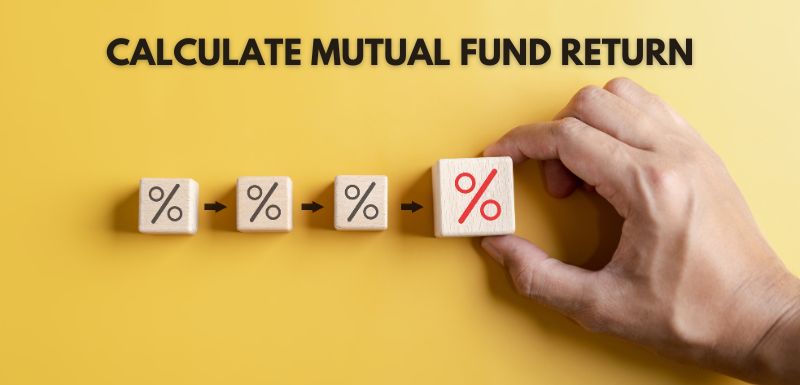
How are Mutual Fund Returns Calculated?
We invest in financial products to achieve our financial goals. Based on factors like how much we want to invest, for how long, and the target amount, it is the expected returns that help us understand whether we can achieve our goal. The returns can be measured using different ways like absolute returns, compounded annual growth rate (CAGR), etc. In this article, we will understand what is absolute return, CAGR, how they are calculated, and which one you should use.
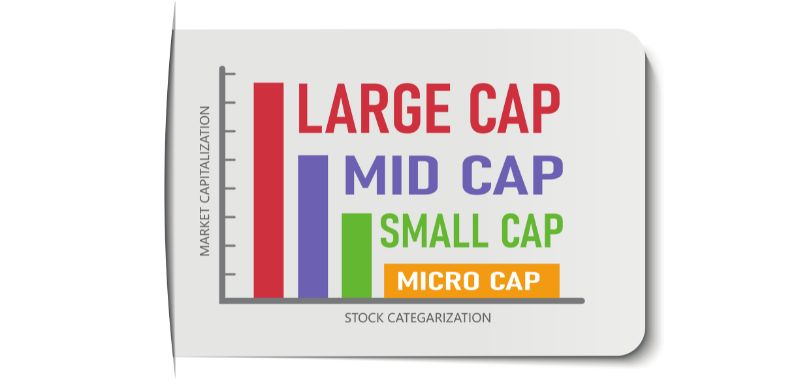
A Comparison of Small Cap, Mid Cap and Large Cap Funds
The equity mutual fund investing universe is quite vast. Many types of equity mutual funds exist based on the size or market capitalisation of the companies they invest in. These include large, mid, and small cap mutual fund schemes. In this article, we will understand what are large, mid, and small cap funds, their differences, and what you should consider before investing in them.
Latest Posts
Jun 16, 2026
Why Long-Term SIP Investing Works Better When It Is Linked to Real Goals
Jun 11, 2026
5 Investing Traps That Can Quietly Derail Long-Term Wealth Creation
Jun 09, 2026
How Much Should Your SIP Be to Build a ₹10 Crore Retirement Corpus?
Jun 08, 2026
Financial Planning Gaps Families Often Discover Too Late
Jun 05, 2026
The Importance of your Child’s Education Goal
Feb 28, 2024

Why Retirement Planning is Important
Nov 08, 2023

Oct 31, 2023

.jpg "The Right Goal Calculation - Inflation and its effect")
Investing Behaviour and the investing roller coaster
Oct 12, 2023