Investing Insights

Maintaining Your Financial Health With a Financial Advisor
Financial health is essential to an individual’s well-being and stability. Unfortunately, many people lack the knowledge and skills to properly manage their finances. This is where a financial advisor can help. A financial advisor is a professional who provides financial advice and services to clients. They are knowledgeable in the areas of budgeting, investments, taxes, retirement planning, and estate planning. An advisor can help you develop a plan to manage your money and reach your financial goals.
Financial Planner vs Financial Advisor: What's the Difference?
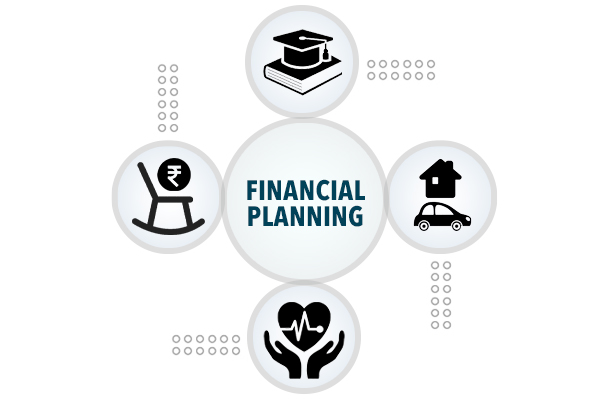
Financial planning is a crucial part of a person’s overall financial health. People often use the terms “financial planner” and “financial advisor” interchangeably, but they are not the same. Although they both help people manage their finances, they offer different services and specialize in different areas of financial planning.
Factors To Consider Before Investing in ELSS
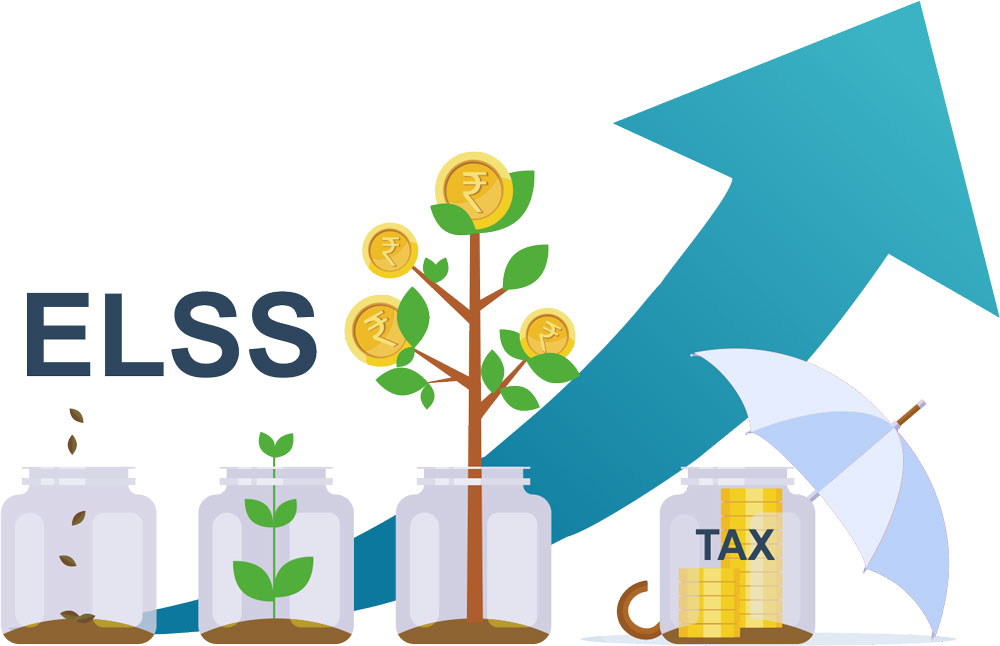
Investing in equity linked savings schemes (ELSS) is a popular way to save money and grow wealth. ELSS Mutual Funds provide tax saving benefits, along with the potential to earn higher returns than some other investment options. However, before investing in ELSS fund, there are several factors that should be considered.

Keep Your Dreams Alive By Investing in Mutual Funds
Dreams are the driving force behind every human being. We all want to dream bigger and achieve more. The key to a successful life is to keep your dreams alive and to invest in your future. One of the best ways to do so is by working with a mutual fund investment planner. Mutual funds are a popular investment option that provide you with the opportunity to invest your funds in multiple companies, industries, and even global markets.
Here's Why ELSS Investment is Better Than PPF & NSC
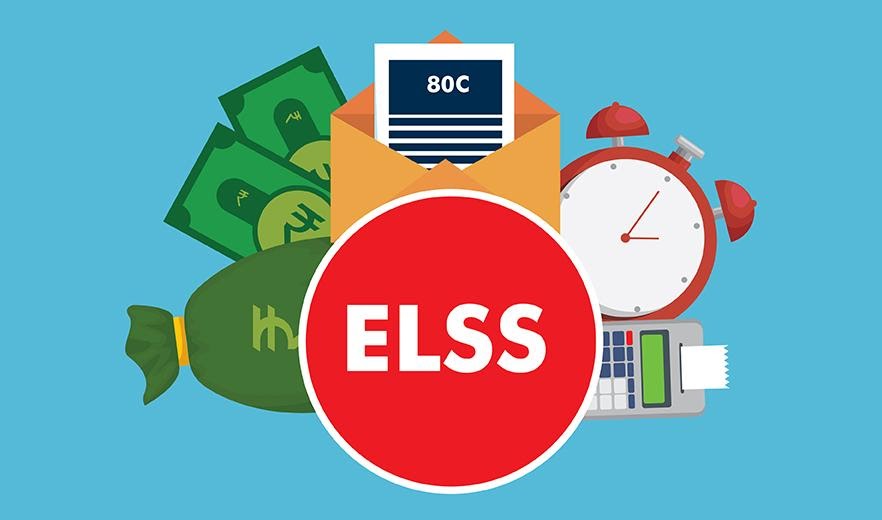
Read this blog to learn why ELSS is better investment option than PPF & NSC. Besides tax savings, it offers capital appreciation. To know more ELSS mutual funds, visit FinEdge now!

Are You Saving Enough For Your Child’s Education?
Working with a financial planner to save for your child’s education is one of the most important things you can do as a parent. It can be difficult to decide how much you should be saving and where to put your money, but it’s essential to have a solid child education plan in place Here we look at the importance of saving for your child’s education, how to go about it, and what to consider when planning for their future.

How To Calculate And How Much To Save For Your Child's Wedding
Planning for your child’s wedding is a significant financial goal for many Indian parents. With strategic investment planning and the power of compounding, you can systematically build a wedding fund without financial strain. This guide will help you determine how much to save and how a SIP return calculator can simplify the process.

Why is Financial Independence Important for a Woman
Women and financial independence have become increasingly important topics in recent years, as women continue to strive for more recognition and autonomy in the workplace, and in society at large.

The Importance Of Financial Independence For Women
Women and financial independence have become increasingly important topics in recent years, as women continue to strive for more recognition and autonomy in the workplace, and in society at large. Financial independence is a key part of gaining power and control in all aspects of life. With more women in positions of leadership and financial responsibility, the importance of financial independence is becoming increasingly clear.

Two Interesting Mutual Fund investing “thumb rules”
Read this blog to learn interesting thumb rules that can help you compare one time as well as SIP investments. To know more, Visit FinEdge Now!

How to safeguard your Child’s Education Goal
Providing a top-class education to our kids generally ranks at the top of the list when it comes to financial goals. And why not? In today’s hypercompetitive professional environment, a quality degree can provide your kids with a vital edge to get ahead. The problem – a good education typically doesn’t come cheap, and a proper child education plan is absolutely critical. A financial planner can help! Here are a few things to keep in mind.

How Much of Your Salary Should You Invest in Mutual Funds?
One of the most common questions that a mutual fund investment planner gets asked is – how much of one’s salary should be invested into mutual funds every month? Is their any thumb rule that can help you arrive at an “ideal” figure? And as a lot of investment advisors say, is more always better? Here are some answers.
Latest Posts
Jun 16, 2026
Why Long-Term SIP Investing Works Better When It Is Linked to Real Goals
Jun 11, 2026
5 Investing Traps That Can Quietly Derail Long-Term Wealth Creation
Jun 09, 2026
How Much Should Your SIP Be to Build a ₹10 Crore Retirement Corpus?
Jun 08, 2026
Financial Planning Gaps Families Often Discover Too Late
Jun 05, 2026
The Importance of your Child’s Education Goal
Feb 28, 2024

Why Retirement Planning is Important
Nov 08, 2023

Oct 31, 2023

.jpg "The Right Goal Calculation - Inflation and its effect")
Investing Behaviour and the investing roller coaster
Oct 12, 2023

Investing Stories
.jpg "Discover how FinEdge achieved ₹1500 Crores AUM with its client-first, goal-based investing model powered by the DiA platform.")
_(1)1.jpg "India is set to become the world’s 3rd largest economy by 2030, backed by digital leadership, strong institutions, and favourable demographics. FinEdge enables NRIs across 90+ countries to participate in this growth with goal-based, purpose-driven investi")
.jpg "Investing with purpose means aligning wealth to life goals with clarity, discipline, and long-term focus not chasing market noise.")
.jpg "Explore the biggest paradox in the investing industry: why most models put revenue before investor outcomes. Discover how FinEdge’s Bionic Model puts clients first.")
.jpg "Discover the 5 P’s that power FinEdge’s DiA platform—Purpose, People, Process, Personalisation & Product—built to turn dreams into action.")