Investing Insights
_(62).png)
What Is Financial Freedom and How Can You Achieve It?
Financial freedom is not about becoming extremely wealthy overnight. It is about building enough financial stability and flexibility to make life decisions with greater confidence and less financial stress.
How to Read a Mutual Fund Factsheet: What Every Investor Should Know
Learning how to read a mutual fund factsheet properly can help investors make more informed decisions instead of selecting funds based only on short-term performance.
.png)
Sectoral and Thematic Funds: Understanding the Risks, Returns and Differences
Sectoral and thematic funds can create strong opportunities during certain market phases, but their focused nature also makes risk understanding extremely important.
_(60).png)
NSE vs BSE: Meaning, Difference and Role in Indian Markets
NSE and BSE are central to India’s financial markets. Understanding how they function helps investors better understand the market ecosystem itself.
_(59).png)
Are You Investing or Just Collecting Mutual Funds? A Simple Way to Check
A large number of mutual funds does not always create a stronger portfolio. What matters more is whether every investment has a clear role and purpose.
_(58).png)
Why Goal-Based Investing Works Better Than Traditional Investing
Goal-based investing connects money to meaningful financial outcomes, helping investors make more structured and disciplined long-term decisions.
_(55).png)
Why Investors Start SIPs Easily but Struggle to Stay Invested Long Term
Starting a SIP has become effortless. Staying invested consistently through market cycles is where the real challenge begins.
.png)
What Are Value Funds and Why They Work Best in Uncertain Markets
Some investments look unattractive before they perform. Value funds focus on these overlooked opportunities especially during uncertain market phases.
.png)
SIP Stoppage Ratio Above 100%: What It Means for Long-Term Investors
SIP stoppages are rising even as contributions hit record highs. The data reveals more about investor behaviour than market direction.
Market Correction vs Bear Market: Key Differences and What Investors Should Know
Not all market declines are the same. Understanding the difference bet
Types of NSE Indices: A Simple Guide to Broad, Sectoral and Thematic Indices
NSE indices go beyond the Nifty 50. Understanding their types helps you see how different parts of the market move and interact.
.png)
What is a Contra Fund? How It Works and When It Makes Sense for Investors
Contra funds take a different approach investing where sentiment is weak. Understanding how they work can help you decide if they fit your long-term strategy.
Latest Posts
Jun 16, 2026
Why Long-Term SIP Investing Works Better When It Is Linked to Real Goals
Jun 11, 2026
5 Investing Traps That Can Quietly Derail Long-Term Wealth Creation
Jun 09, 2026
How Much Should Your SIP Be to Build a ₹10 Crore Retirement Corpus?
Jun 08, 2026
Financial Planning Gaps Families Often Discover Too Late
Jun 05, 2026
The Importance of your Child’s Education Goal
Feb 28, 2024
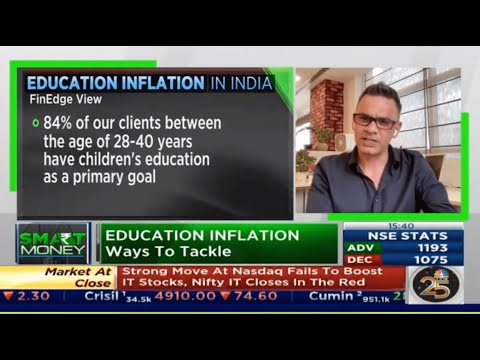
Why Retirement Planning is Important
Nov 08, 2023

Oct 31, 2023
.jpg "The Right Goal Calculation - Inflation and its effect")
Investing Behaviour and the investing roller coaster
Oct 12, 2023

Investing Stories
.jpg "Discover how FinEdge achieved ₹1500 Crores AUM with its client-first, goal-based investing model powered by the DiA platform.")
_(1)1.jpg "India is set to become the world’s 3rd largest economy by 2030, backed by digital leadership, strong institutions, and favourable demographics. FinEdge enables NRIs across 90+ countries to participate in this growth with goal-based, purpose-driven investi")
.jpg "Investing with purpose means aligning wealth to life goals with clarity, discipline, and long-term focus not chasing market noise.")
.jpg "Explore the biggest paradox in the investing industry: why most models put revenue before investor outcomes. Discover how FinEdge’s Bionic Model puts clients first.")
.jpg "Discover the 5 P’s that power FinEdge’s DiA platform—Purpose, People, Process, Personalisation & Product—built to turn dreams into action.")